Read my Interview with Mel Williams, Writer & Narrative Disability Activist
Toronto-based writer and Narrative Disability Advocate Mel Williams featured me in her Little Flames Contributor Series in February 2026.
Melissa is a Toronto-based writer whose memoir Little Flames Under My Skin was runner-up for the 2025 Sue William Silverman Prize for Creative Nonfiction. She was long listed for the 2025 gritLIT Prize, a featured poet at Toronto’s Emerging Writers Reading Series and a contest reader for The Creative Nonfiction Collective.
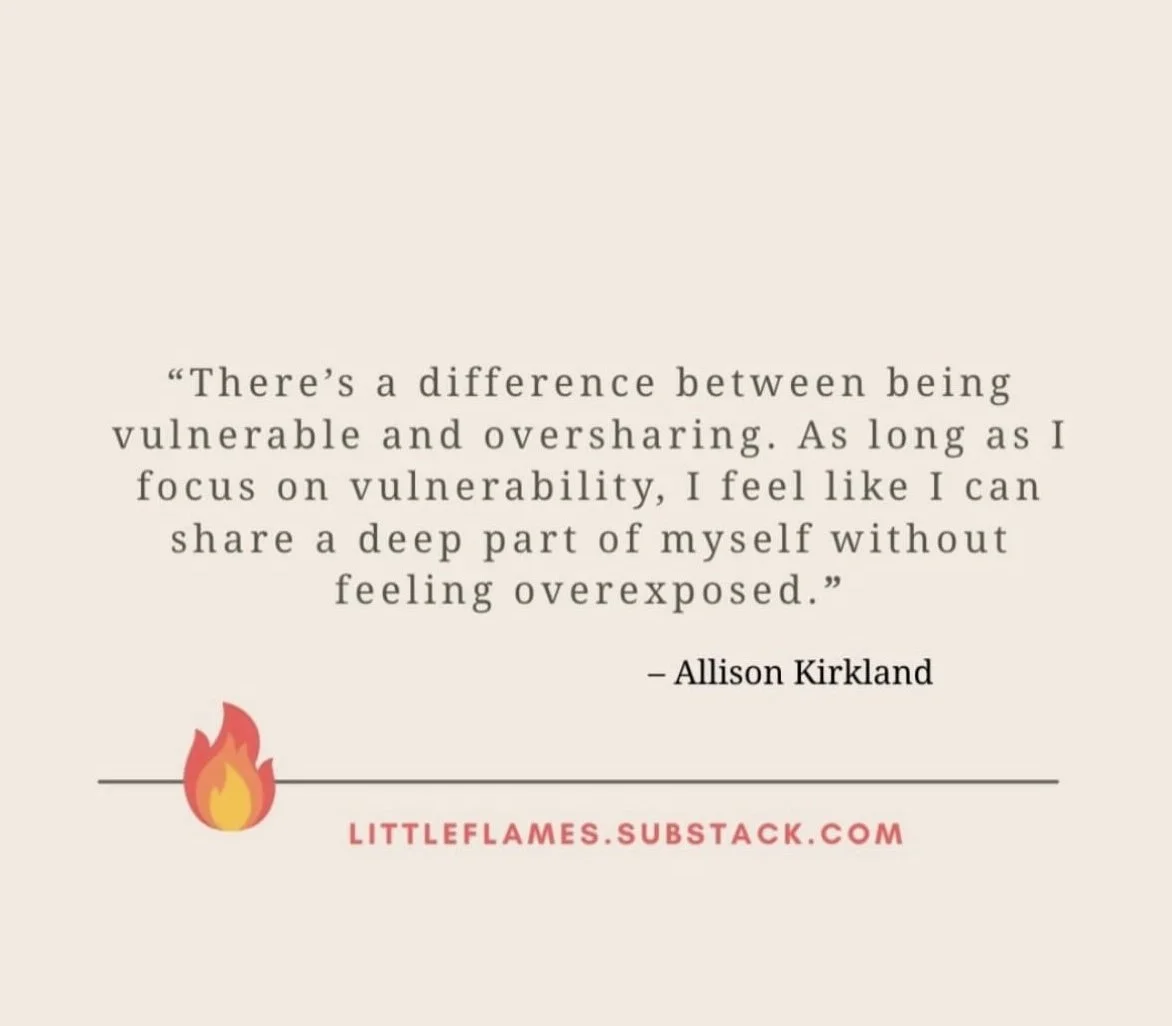
Welcome to Little Flames Contributor Series—a space for stories of resilience, reinvention, and creativity. In this month’s piece, Allison Kirkland and I talk about the intangibles — as a concept, a practice, and a way of living. We explore boundaries, appearance activism, and the quieter ethics of sharing one’s life through writing.
Name: Allison Kirkland
Superpowers: Vulnerability as a Backbone, Grounded Self-Trust, Gentle Power
My Favourite AK Quote: “What if it’s OK to be misunderstood? What if I don’t have to educate? What kinds of stories would I write if I wasn’t trying to teach?”
THE INTERVIEW
Melissa: Your Substack newsletter is called the intangibles. When I think of that word, it takes me back to my early career in marketing and sales, where intangibles were the added values we couldn’t quantify — like brand and reputation. I’ve been thinking about that idea differently now, in relation to writing and lived experience, and I’m drawn to how intangibles creates space for what can’t easily be measured or named. I’d love to talk with you about how that word holds in your disability experience and writing life.
Allison: I grew up in a very type A pre-professional atmosphere. I was taught to measure, to assess, compare. Everything was data and the data was used to place people in a hierarchy of usefulness and belonging. If you met certain data points, you could access certain experiences or privileges, like getting admitted to a certain college or being offered a certain job.
In my twenties I had a job as a grant writer at a small performing arts center. The grant makers always wanted us to measure the value of the programming. How many audience members were enriched by the concerts or the open mics or the staged readings that we held in our building? What was the exact percentage of the value of our programming?
It felt so silly to me, assigning this measurable value to something so intangible.
How can one measure the amount of enrichment they get from going to a poetry reading or a concert or a dance performance? How do you measure the degree to which seeing a sunset improves your life? Or smelling a gorgeous flower? How do you measure how much reading a good book improves your life? Or writing one? And honestly, why would you measure it?
If we define intangible as “of a value not precisely measurable” then I think there’s something quietly revolutionary about living in a disabled body – it’s different from the norm, and in some ways it’s not a useful or productive body. From the outside, my body might not look like much. But living in this body provides me with treasures that can’t be measured.
Melissa: In a recent post, you talk about the concept of boundaries. Can you share more about what you think about boundaries not just as limits, but as something that actively shapes your work. How have you learned to weigh privacy, visibility, and the desire to educate on your own terms through writing and speaking?
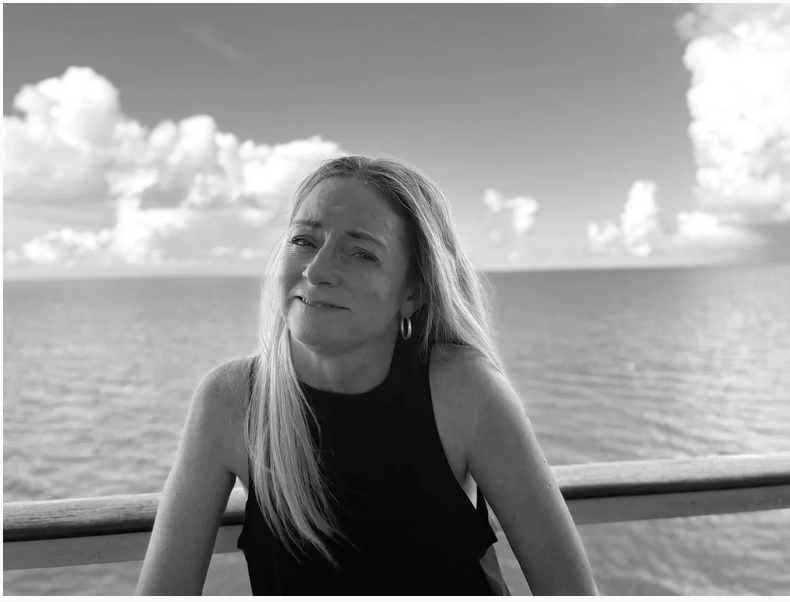
Writer & Narrative Disability Advocate Mel Williams
Allison: My thinking around this has evolved and I think it will continue to evolve. As someone who didn’t grow up around a lot of other visibly disabled people, I often felt a responsibility to represent the entire disability community. It was a lot of pressure.
People always asked about my hands. As a child it never even occurred to me that I didn’t have to answer them! After all, I was the one who was different. Sometimes, this form of education felt meaningful to me, and sometimes it still does. I enjoy thinking that part of my life’s purpose is making the future easier for disabled kids who are growing up now. Maybe my education has spread awareness, has defied stereotypes, has helped a small kid with a limb difference feel seen. I know that has been the case for me as I have encountered more disabled people speaking truthfully about their lives. And I know that I live in a world now where being disabled is a little less isolating, mostly because of the activists and writers who came before me who dared to write and share their story.
But educating others was also a bit self-serving, because I assumed that if people could understand me better, maybe I would make them less uncomfortable. To me, understanding was a replacement for a sense of belonging that I didn’t often feel. If someone understood my inner life and how I viewed the world, maybe they’d see me as more of a person, I’d feel more included.
But as I got older I realized that ultimately takes agency away from me because it still leaves the decision up to the other people. They still get to decide if I belong, and sometimes no amount of educating on my end will change their mind.
I still enjoy educating on my own terms, without any expectation that I’m changing the world or changing people’s minds – just to express myself and understand myself better. But these days I am asking myself: what if it’s OK to be misunderstood? What if I don’t have to educate? What kinds of stories would I write if I wasn’t trying to teach?
From a craft level, I sometimes think that stories that aren’t here to teach something or to translate one’s experience in a way that others might understand actually make for more interesting, surprising stories.